Sealed-Air Inflatable Structures: The Better Option for Multi-Day Events
If you’ve ever run an event setup across multiple days, you already know the truth: it’s not the big problems that grind you down. It’s the constant little ones. Power. Noise. Cables. Overnight security. The wind picking up when nobody’s watching. That sinking feeling when you realise your shelter setup needs babysitting.
That’s where sealed-air inflatable structures come into their own.
If you’re comparing inflatable event tents, inflatable shelters, inflatable marquees or inflatable canopies, the difference between sealed-air and continuous flow isn’t a minor technical detail. It completely changes how the structure behaves in the real world, especially over two, three, or five days on site.
This guide explains the difference in plain English, and why sealed-air systems are often the smarter choice for multi-day events.
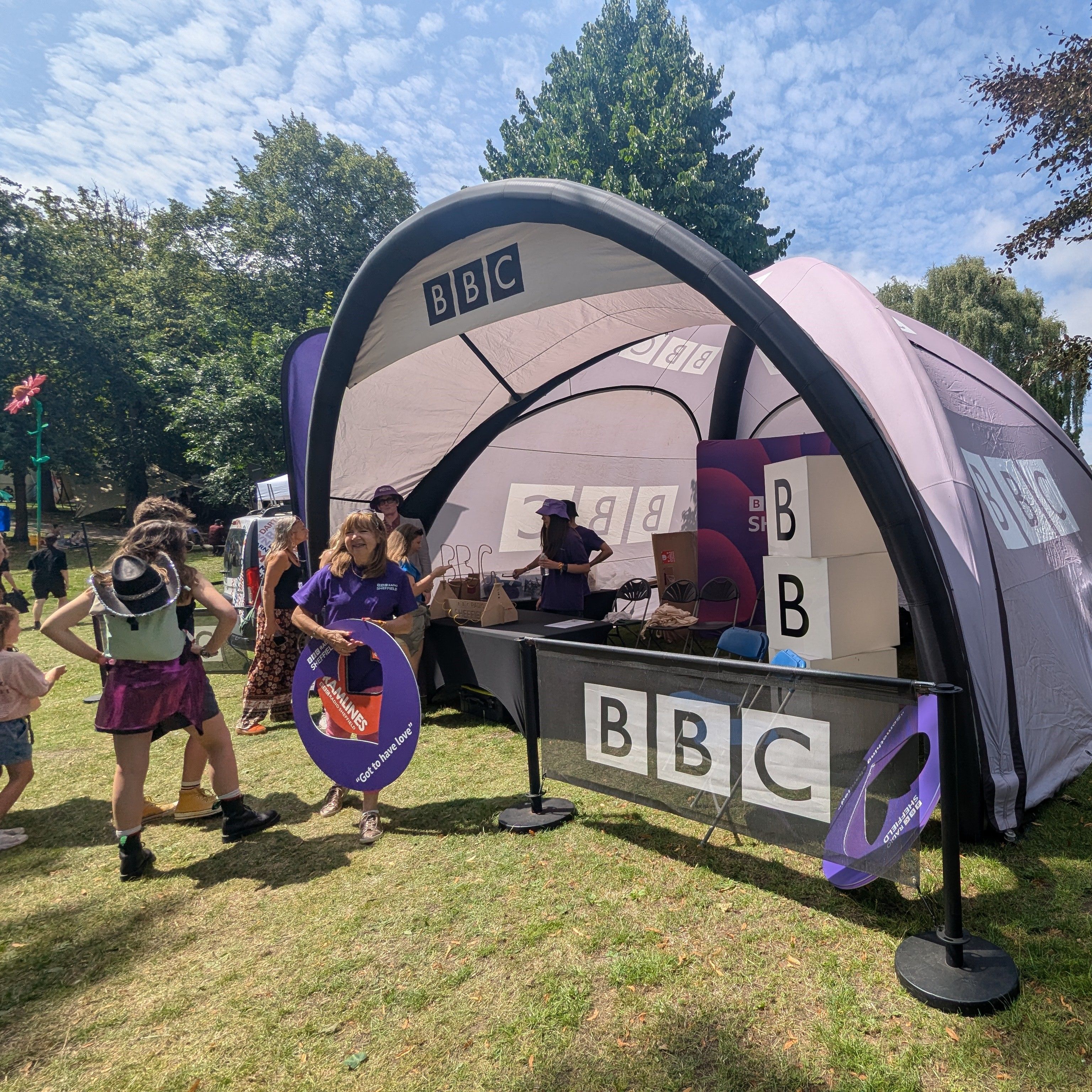
What is a sealed-air inflatable structure?
A sealed-air inflatable structure is exactly what it sounds like. You inflate it to pressure, then it stays inflated without needing a constant air supply.
You might also see sealed-air described as:
non-continuous flow inflatable
no-blower inflatable
closed-air system inflatable
self-sealing inflatable structure
air retention inflatable
The key feature is air retention. Once inflated, the structure is designed to hold pressure for extended periods (often days), with top-up inflation only when needed.
For multi-day events, that matters more than people realise.
What is continuous flow (constant blower) and why does it exist?
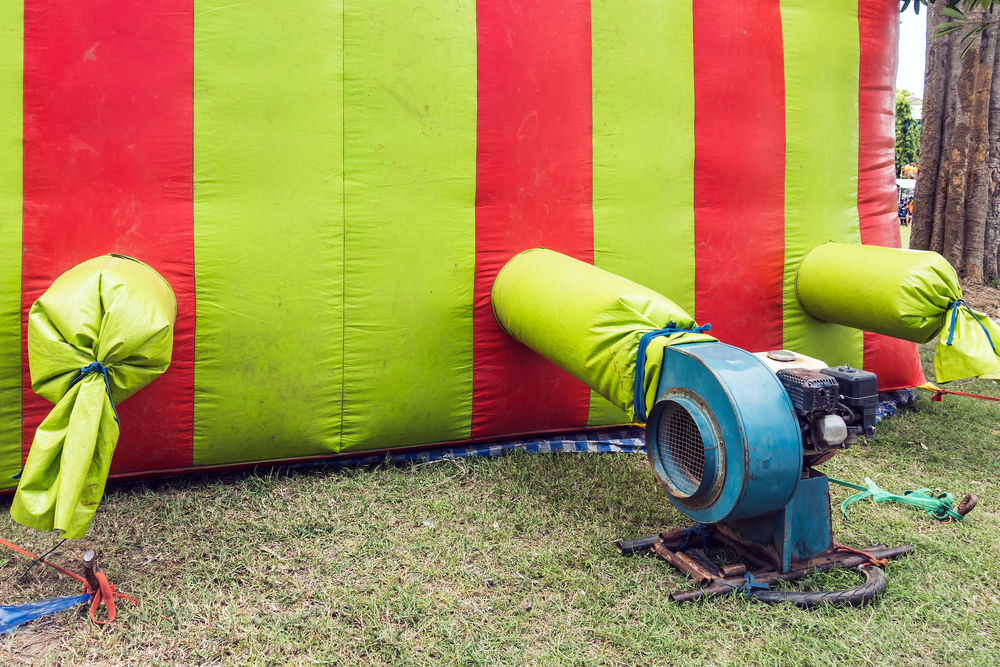
A continuous flow inflatable relies on a constant air supply from a blower to stay inflated. In other words, it’s a forced-air inflatable, tethered to a fan.
You’ll also see it described as:
constant blower inflatable
blower-powered inflatable
forced-air inflatable
fan-assisted inflatable structure
These systems exist because they can be simple and cost effective for short-term use. They’re often used for quick promotional setups, very temporary installations, or where a constant power supply is guaranteed.
But for multi-day events, they can become a pain in the arse.
Why sealed-air wins at multi-day events
Let’s break it down properly. Here’s what multi-day events are actually like, and why sealed-air structures handle them better.
1) Less power dependence (and fewer on-site headaches)
At multi-day events, power is never as convenient as it sounds in planning meetings.
You get:
limited sockets
long cable runs
shared generators
safety rules around trailing cables
things tripping or being unplugged
A sealed-air inflatable structure (inflatable event tent, dome, gazebo, arch) is inflated and then simply exists. It’s not tethered to a blower that needs constant electricity.
That means:
fewer cables on the ground
fewer trip hazards
less reliance on power placement
fewer things to go wrong overnight
For multi-day events, power independence is not just a benefit. It’s a massive reduction in hassle.
2) It stays looking professional when you’re not there
This is the big one.
At a multi-day event, you are not there 24/7. Even if you’ve got staff on shift, there will be times when it’s quieter, thinner, or unattended.
A sealed-air inflatable doesn’t collapse if a blower fails.
It doesn’t sag if someone unplugs something.
It doesn’t rely on one loud motor running constantly.
If the structure is part of your brand presence, that stability matters. You want it to look sharp in:
morning arrival times
late evening crowds
overnight security patrols
next-day opening photos
A sealed-air inflatable event shelter just sits there doing its job, instead of demanding attention.
3) Noise disappears (and your setup feels premium)
Constant blower inflatables are rarely silent. Even when they’re “not that loud”, the sound is always there. That noise becomes part of the space.
At a multi-day event, noise fatigue is real.
Sealed-air structures don’t have that issue. Once inflated:
no blower noise
no constant motor hum
no need to hide a fan unit
no sound pollution inside the shelter
This makes a huge difference for:
VIP lounges
hospitality setups
brand activations
corporate zones
university open days
any environment where people are supposed to talk to each other
If you want your inflatable marquee or inflatable event tent to feel premium, sealed-air helps you pull it off.
4) Cleaner layout, fewer cables, better footfall flow
Multi-day events have footfall patterns. People queue. They crowd. They gather.
Continuous flow systems come with an invisible problem: the blower and the cable run. That can restrict where you place the structure, how you route people around it, and where you can put staff equipment.
Sealed-air inflatables give you more freedom:
no permanent blower position
fewer cables near public areas
cleaner perimeter
easier access points
This is one of those “it sounds small but it’s actually huge” benefits.
5) Better reliability for overnight setups
Multi-day events often involve leaving the setup on site overnight.
With continuous flow inflatables, overnight introduces risk:
blowers fail
generators go off
cables get pulled
power safety shut-offs happen
someone trips the RCD and doesn’t report it
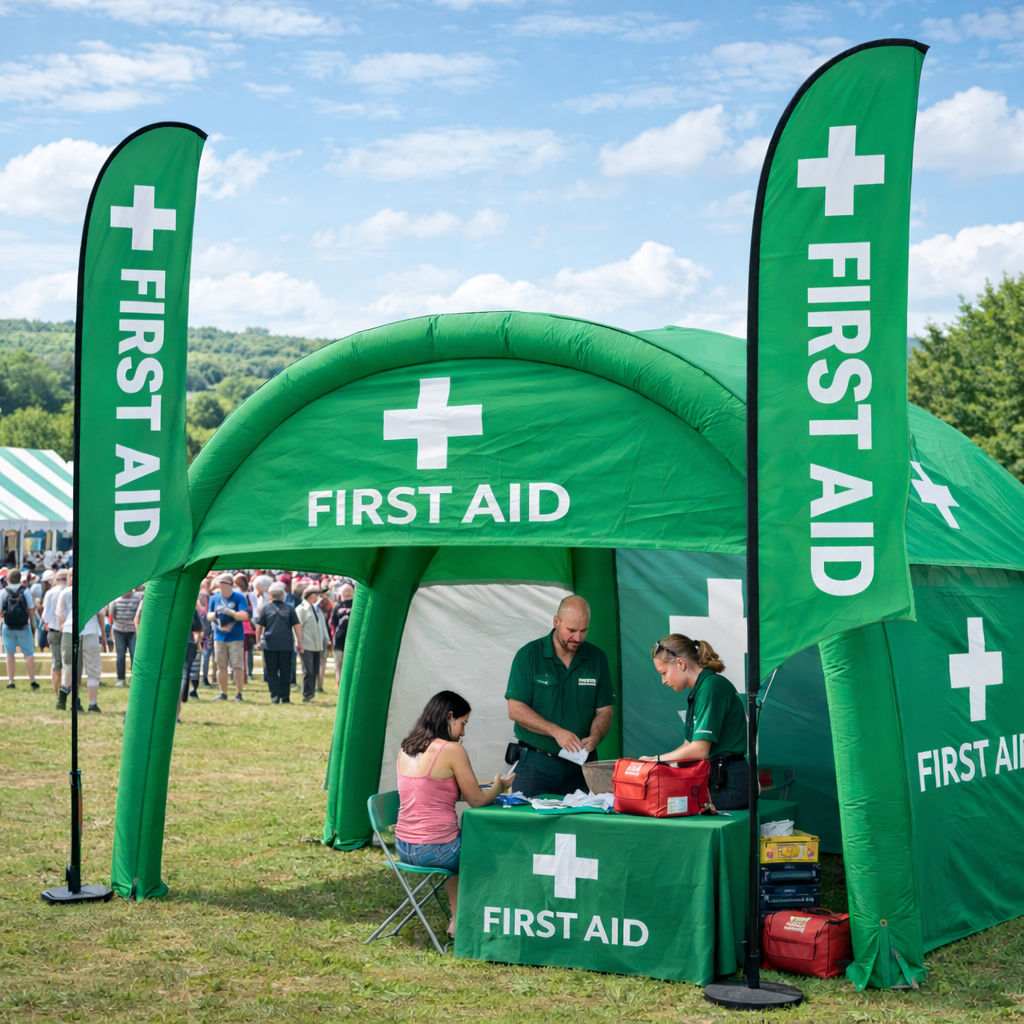
A sealed-air inflatable structure stays inflated for days. That means overnight becomes easier. Less to monitor. Less to worry about. Less chance of arriving on Day 2 to find your setup looking like a defeated balloon.
6) Multi-day is not “one long day”, it’s multiple setups
This is where the psychology changes.
On Day 1, everything is fresh.
By Day 3, you want efficiency.
Sealed-air makes multi-day events simpler because you’re not constantly managing a powered structure. You’re not thinking about:
blower airflow
whether the blower is protected
whether it’s still plugged in
whether someone has tampered with it
Instead, the structure becomes part of the environment. It works like a proper temporary building rather than a novelty inflatable.
Sealed-air doesn’t just mean domes
This is important, because people hear “sealed-air inflatable” and assume it only refers to one type of product.
In reality, sealed-air tech applies across:
inflatable event tents and marquee-style shelters
So you can build an entire event footprint using sealed-air kit:
dome as the hub
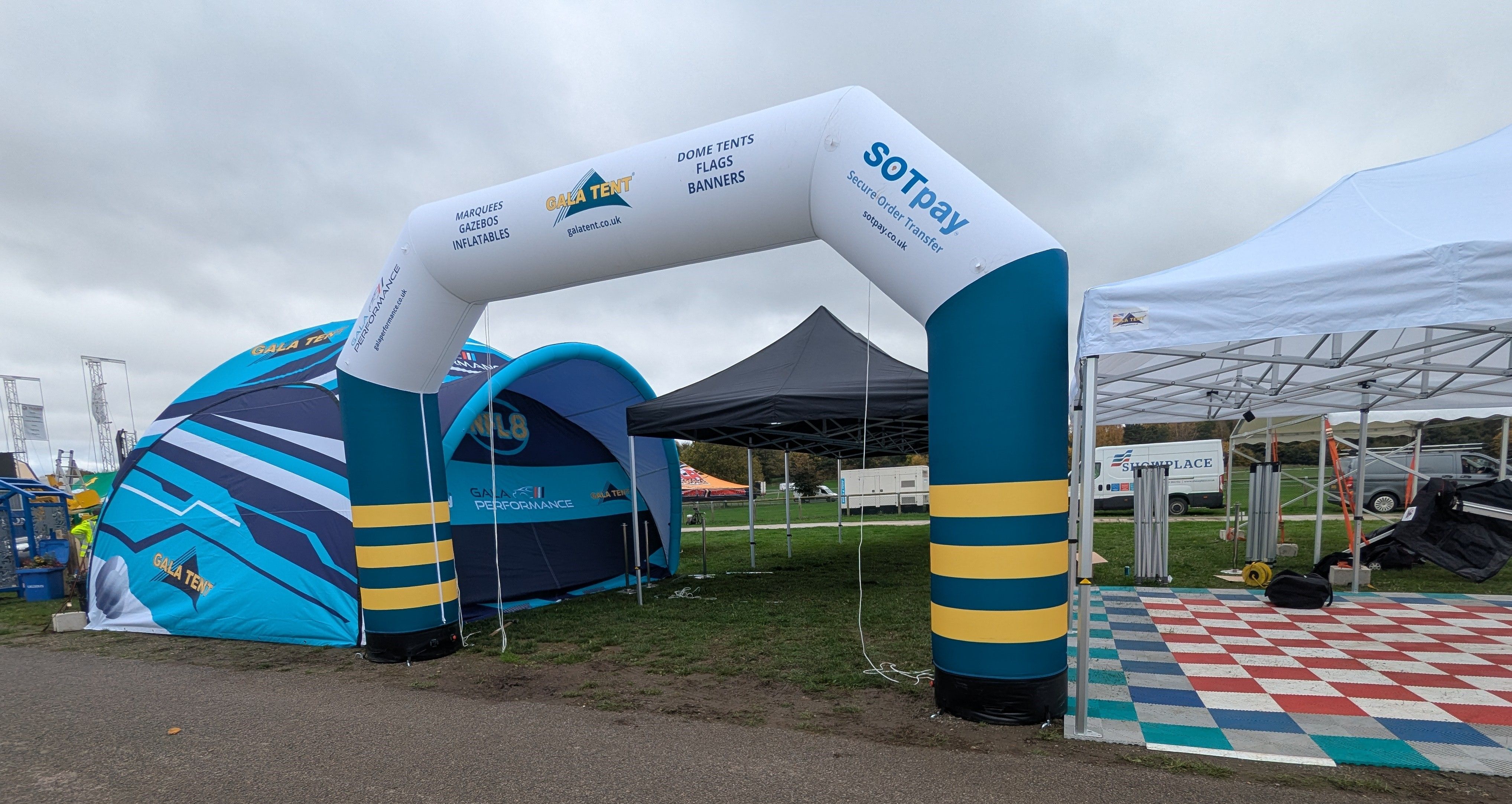
arch at the entrance
gazebo as the operations point
All without constant blower dependence.
That’s why it works so well for multi-day events.
When continuous flow can still be the right choice
This isn’t a “sealed-air good, blower bad” argument. Continuous flow has its place.
Continuous flow inflatables can be fine if:
the setup is short duration (hours not days)
you have guaranteed power and cable management
the structure is supervised continuously
the environment is not noise sensitive
the inflatable is used as a short-term promo beacon
But if the structure needs to stay looking good across several days, sealed-air is generally the better tool.
Which organisations benefit most from sealed-air inflatables?
If you’re in any of the groups below, sealed-air is probably the way forward:
Event agencies and experiential teams
You need professional presentation, reliability, and an environment that supports conversation and interaction.
Motorsport teams and paddock sponsors
You need strong sponsor visibility, rapid setup, and kit that doesn’t need constant attention.
Councils, NHS, universities and public engagement teams
You need stability, safety, and setups that work cleanly in high-footfall public spaces.
Festival vendors and touring brands
You need something that survives multi-day environments without becoming a maintenance problem.
Final thought: “set and forget” is a real advantage
A multi-day event is hard enough without your inflatable shelter demanding extra brain space.
Sealed-air inflatable structures are popular for one reason: they remove complexity. You inflate it, secure it, and then it just does its job.
If you’re building an inflatable event tent setup that needs to look premium across multiple days, a sealed-air system is the closest thing you’ll get to a “set and forget” solution.
Need help choosing?
Visit our Inflatable Shelter Buying Advice hub for size guides, comparisons and setup tips before you order.
Frequently Asked Questions
What does sealed-air mean on an inflatable event tent?
Do continuous flow inflatables always need power?
Are sealed-air inflatables better for outdoor events?
Do sealed-air inflatables still need anchoring?